
A Reliable and Functional Solution for Your Smile
Tooth loss can significantly impact both oral function and appearance. Whether caused by decay, trauma, or periodontal disease, missing multiple teeth can make it difficult to chew properly, speak clearly, or smile with confidence. Fortunately, modern dental treatments offer effective and long-lasting solutions. One of the most efficient methods is Multiple Teeth Replacement using Dental Implants, which restores both aesthetics and function while protecting your oral health.
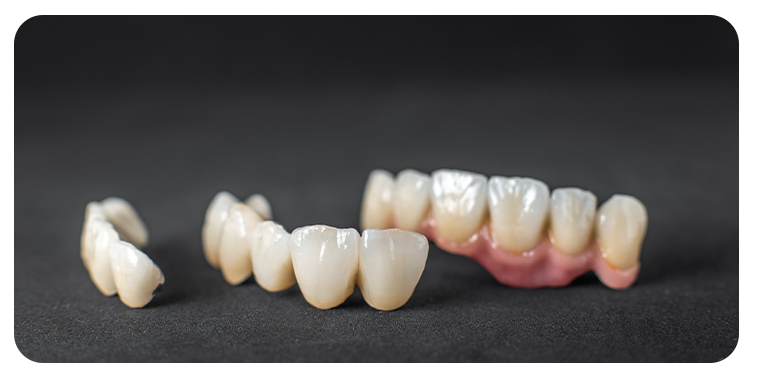
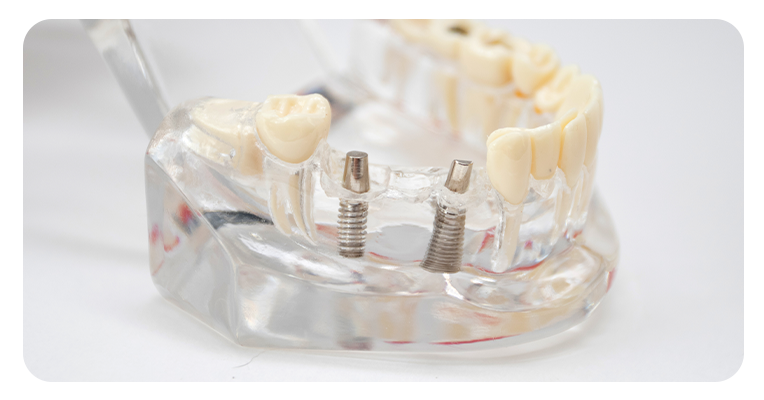
Multiple teeth replacement refers to the restoration of several missing teeth using prosthetic solutions. The most advanced and durable option involves placing two or more dental implants that support a fixed bridge or multiple crowns. Unlike removable dentures, this method provides permanent results with a natural appearance and improved comfort.
Depending on the number and location of the missing teeth, the dentist designs a personalized treatment plan that distributes biting forces evenly and preserves jawbone health.

This treatment is ideal for patients who:
A comprehensive dental examination, including 3D imaging, helps determine the best treatment approach.
The multiple teeth replacement process involves the following steps:
A detailed evaluation is performed, including imaging and bite analysis, to plan implant placement and prosthetic design.
Under local anesthesia, implants are surgically placed into the jawbone. These act as artificial roots for the future bridge or crowns.
A healing phase of 2–4 months is necessary for osseointegration, during which the implants bond with the bone.
Once healing is complete, a custom-made bridge or crowns are fixed onto the implants, restoring function and aesthetics.

To maintain the health and longevity of your implants:


If you are missing multiple teeth and want a solution that combines function, aesthetics, and durability, implant-supported multiple teeth replacement could be the perfect option for you. Talk to your dentist today to find out if you're a candidate and take the first step toward a confident, healthy smile.
Why Are Color, Shape, and Symmetry Harmony Important in Dental Aesthetics? In smile design, achieving harmony in color, shape, and symmetry is key to creating a natural, balanced appearance. Discrepancies can make even healthy teeth look unattractive. Factors considered: • Matching the veneers or crowns to the natural tooth color and shape • Ensuring proportionate tooth sizes relative to facial features • Aligning teeth for overall symmetry This careful planning ensures the smile enhances the patient’s overall facial aesthetics.
Good for Teeth:
• Dairy products (yogurt, cheese) rich in calcium
• Crunchy vegetables and fruits that stimulate saliva
• Water and green tea, which help cleanse the mouth
Avoid or Limit:
• Sugary snacks and drinks
• Sticky candies
• Acidic foods and drinks like citrus fruits and soda
Balanced nutrition supports not only oral health but also overall well-being.
Causes of Tooth Stains:
• Foods and drinks like coffee, tea, red wine
• Tobacco use
• Aging and enamel thinning
Whitening Methods:
• Professional in-clinic whitening treatments
• Over-the-counter whitening products (less effective for deep stains)
Professional methods offer faster, more noticeable, and longer-lasting results.
Diastema is the space between two teeth, commonly affecting the upper front teeth.
Treatment options include:
• Composite bonding for quick aesthetic correction
• Porcelain laminates for larger gaps
The best approach depends on the size of the gap, aesthetic goals, and oral health status.
Laminate veneers may not be suitable for individuals with: • Severe tooth misalignment or bite issues • Insufficient enamel • Habitual teeth grinding (unless managed with a night guard) • Active gum disease A thorough dental examination is necessary to determine veneer suitability.