
In smile design, the appearance of the gums is just as important as the whiteness of the teeth. Gum aesthetics, also known as pink aesthetics, is a treatment aimed at correcting irregularities in the gum line to achieve a healthier and more aesthetically pleasing smile. This method not only addresses cosmetic concerns but also helps protect your oral and dental health. At LHC Clinic, we delve into the details of pink aesthetics, when it is necessary, and the treatment methods involved.
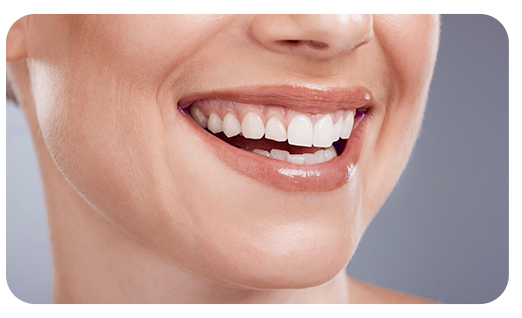
✨ Gum Aesthetics for a Healthier, More Beautiful Smile
🔍 Common Issues Treated with Gum Aesthetic Procedures
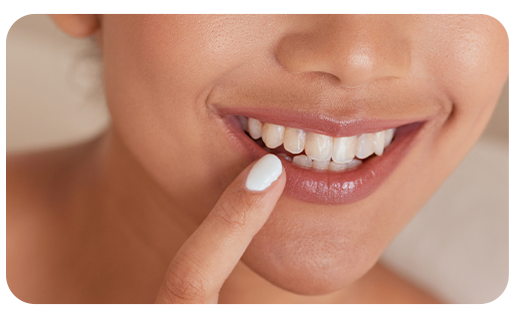
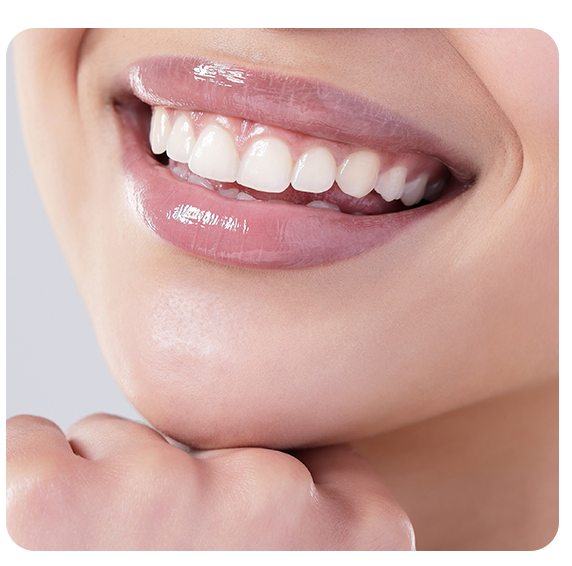
💎 Common Gum Aesthetic Treatments
🌟 Benefits of Gum Aesthetic Treatments
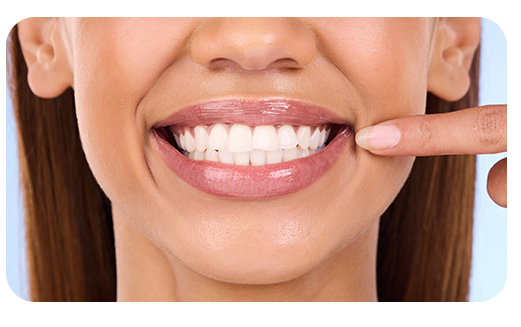
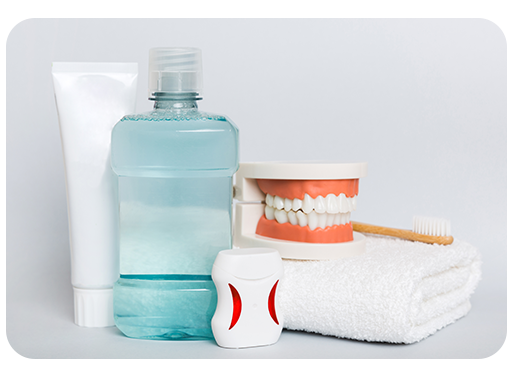
🛡️ Post-Treatment Care After Gum Aesthetic Procedures
🌸 Achieve the Smile You Deserve with Gum Aesthetics
Gum aesthetics (pink aesthetics) is one of the most effective solutions offered by modern dentistry for achieving a healthy and aesthetic smile. Thanks to advancements in technology, these procedures are now quicker, less painful, and more comfortable.
If you're not satisfied with the appearance of your gums, consult with a dentist to determine the best pink aesthetic method for you.
At LHC Clinic, our expert team offers the best solutions for a healthy and aesthetically pleasing smile. Remember, healthy gums not only provide an attractive appearance but also play a critical role in your overall oral health.
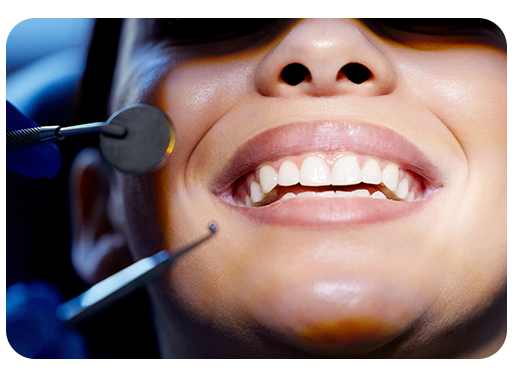
Pregnancy can affect oral health due to hormonal changes, increasing the risk of: • Gum inflammation (pregnancy gingivitis) • Pregnancy tumors (harmless overgrowths on gums) • Enamel erosion from morning sickness Maintaining regular brushing, flossing, and safe dental check-ups during pregnancy is crucial for both mother and baby’s health.
Early gum disease (gingivitis) is often painless but presents signs such as:
• Red, swollen, or tender gums
• Bleeding when brushing or flossing
• Chronic bad breath
• Receding gums or tooth sensitivityRecognizing these early warnings can prevent progression to more serious conditions like
periodontitis, which may lead to tooth loss.
Bone grafting restores bone in areas where it's lost due to tooth extraction, gum disease, or
trauma.Types of bone grafts include:
• Synthetic materials
• Donor or patient’s own bone (autograft)
Bone grafting supports future dental implant placement or maintains facial structure.
Proper care after extraction helps prevent complications:
• Keep the gauze pad in place and bite down gently to stop bleeding
• Avoid spitting, rinsing forcefully, or using straws for the first 24 hours• Refrain from smoking as it hinders healing
• Eat soft, cool foods and avoid the extraction site while brushing
Sticking to these precautions promotes healing and prevents conditions like dry socket.
Effects of Smoking on Oral and Dental Health Smoking adversely affects oral health by: • Increasing the risk of gum disease • Delaying healing after dental procedures • Causing bad breath and staining teeth • Elevating oral cancer risk Quitting smoking improves oral health and the success of dental treatments.