
An Important Step for Your Dental Health
Gum diseases, if left untreated, can lead to serious health issues. Gum curettage is an effective method commonly used in the treatment of gum diseases. This procedure, which is part of periodontal treatments, aims to clean the inflammation, infections, and bacteria in the gum tissues. At LHC Clinic, we offer the most suitable treatment methods to ensure you maintain healthy gums. In this article, we will explain in detail what gum curettage is, how it is performed, who it is suitable for, and post-procedure care.
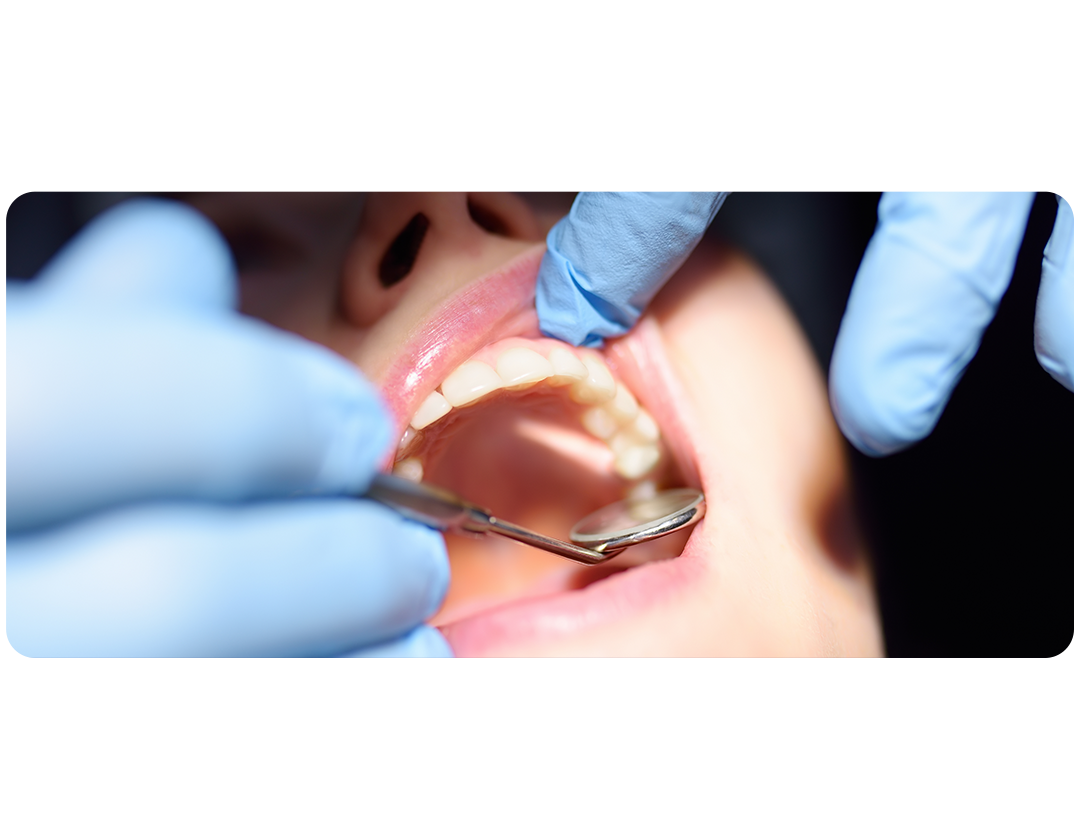
🦷 Gum Curettage: A Non-Surgical Treatment for Gum Diseases
Gum curettage is a non-surgical procedure performed to treat gum diseases. This treatment involves cleaning away plaque, tartar, and infected tissue from beneath the gums. Gum diseases often start with symptoms like redness, bleeding, and swelling in the gums, but if not treated, they can lead to serious consequences, including tooth loss. Gum curettage not only helps treat gum diseases but also protects the surrounding bone tissue.
🦷 The Main Reasons for Performing Gum Curettage
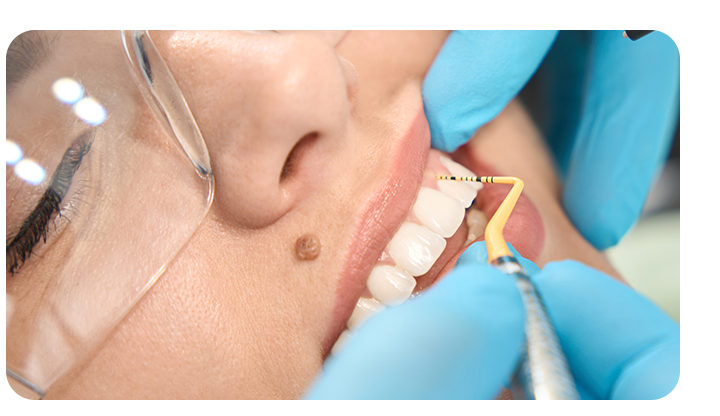
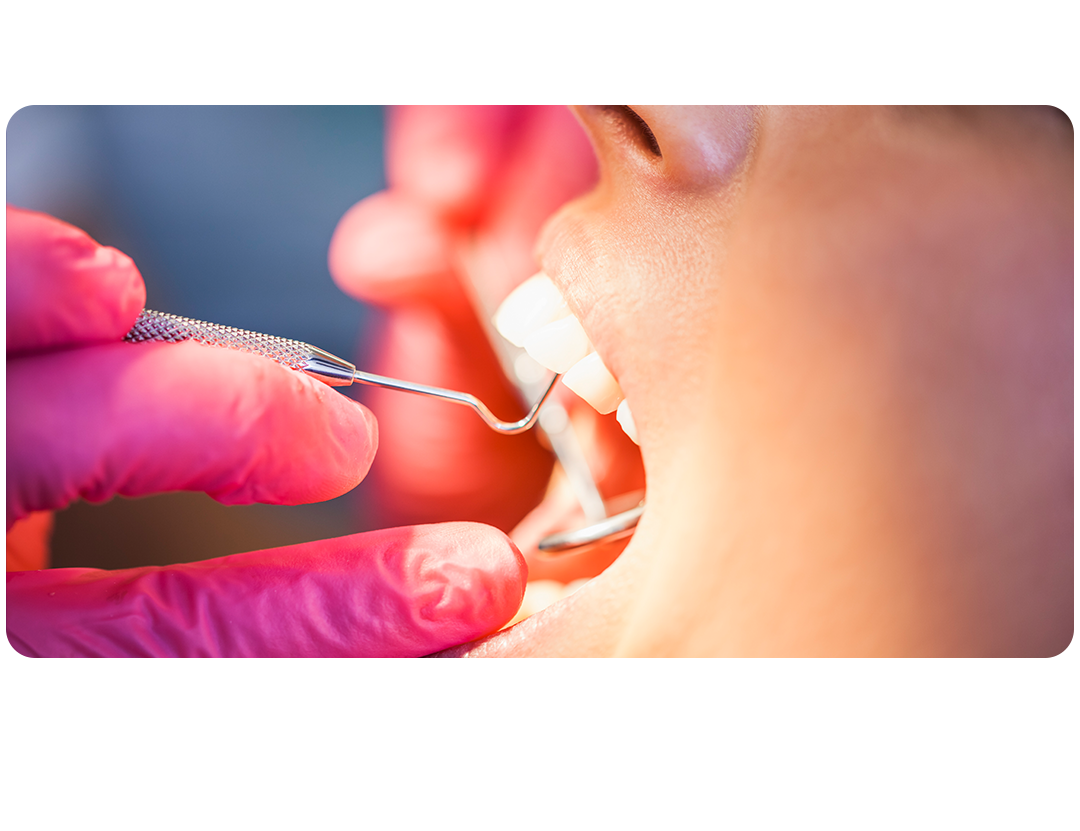
🦷 Gum Curettage Procedure


🩺 Aftercare Tips Following Gum Curettage
🦷 Safe and Professional Gum Curettage at LHC Clinic
Gum curettage is a safe and effective procedure when performed by a skilled dentist. At LHC Clinic, we use modern dental techniques to ensure patient comfort and safety during the procedure. While mild sensitivity may occur afterward, this usually resolves quickly.


🪥 Long-Term Success with Gum Curettage
Gum curettage provides long-term benefits when combined with good oral hygiene. However, if poor oral care and unhealthy habits persist, the gum disease may recur. Regular dental checkups are essential to maintaining the results of the treatment.
🦷 Take the First Step Toward Healthier Gums
Gum curettage is an important step in treating gum diseases. By removing harmful bacteria from the gums, it helps restore a healthy oral structure. Not only does it protect your dental health, but it also prevents serious consequences such as tooth loss.
At LHC Clinic, we provide professional services to help you maintain healthy gums and benefit from the best treatment methods. If you are experiencing gum problems, don’t hesitate to visit us for detailed information and to schedule an appointment. Remember, with regular dental care and checkups, you can achieve and maintain healthy gums!
Common mistakes in tooth brushing can harm oral health. These include:
• Brushing too hard, leading to enamel wear and gum irritation
• Using a toothbrush with hard bristles
• Neglecting to brush for at least two minutes
• Overlooking the gumline and tongue
Correct Technique:
Use a soft-bristled toothbrush at a 45-degree angle to the gums. Apply gentle, circular
motions and avoid scrubbing aggressively. Ensure you brush all surfaces of the teeth,
including the back and chewing surfaces.
Proper care after extraction helps prevent complications:
• Keep the gauze pad in place and bite down gently to stop bleeding
• Avoid spitting, rinsing forcefully, or using straws for the first 24 hours• Refrain from smoking as it hinders healing
• Eat soft, cool foods and avoid the extraction site while brushing
Sticking to these precautions promotes healing and prevents conditions like dry socket.
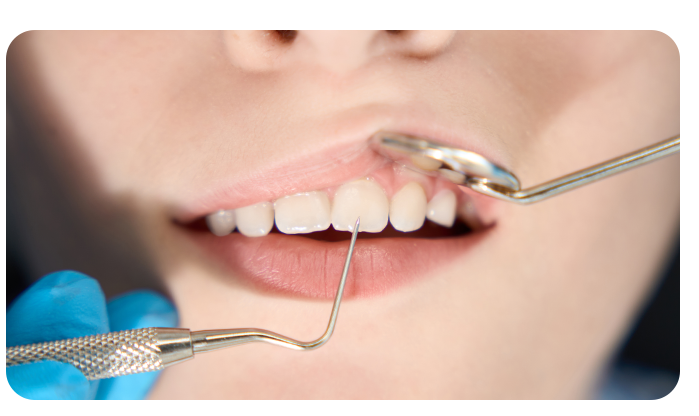
Gum recession occurs when the gums pull away from the teeth, exposing roots and causing sensitivity. Treatment Options: • Deep cleaning (scaling and root planning) • Gum graft surgery in severe cases • Use of desensitizing toothpaste to manage symptoms Early treatment helps preserve gum health and prevent tooth loss.
Diastema is the space between two teeth, commonly affecting the upper front teeth.
Treatment options include:
• Composite bonding for quick aesthetic correction
• Porcelain laminates for larger gaps
The best approach depends on the size of the gap, aesthetic goals, and oral health status.
Bruxism involves involuntary grinding or clenching of teeth, often during sleep. Possible causes: • Stress and anxiety • Misaligned teeth • Sleep disorders Treatment: • Night guards to protect teeth • Stress management strategies • Orthodontic treatments if misalignment is a factor