
Restorative dentistry is a field dedicated to restoring, replacing, and enhancing the function and aesthetics of damaged, decayed, or missing teeth. Whether you're facing cavities, fractured teeth, or the loss of multiple teeth, restorative dentistry offers comprehensive solutions that not only restore your smile but also improve your overall oral health.
Modern restorative dentistry ensures that your teeth and smile are functional, beautiful, and healthy. With advances in materials and techniques, these treatments provide long-lasting results, giving patients renewed confidence in their appearance and dental function.
Restorative dentistry involves various procedures that help restore the structure and appearance of damaged or missing teeth. The goal is to repair dental issues such as decay, trauma, or tooth loss, and replace missing teeth with durable, natural-looking solutions. It encompasses a range of treatments from fillings to implants, crowns, bridges, and dentures.
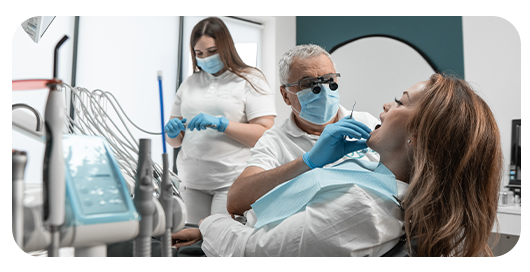
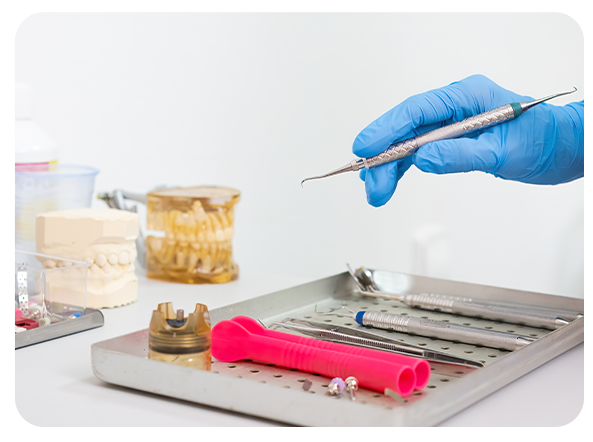
Restorative dentistry covers a variety of procedures designed to restore both the function and appearance of your teeth. Some of the most common treatments include:
Restorative dentistry offers numerous benefits that extend beyond aesthetics. Some key advantages include:
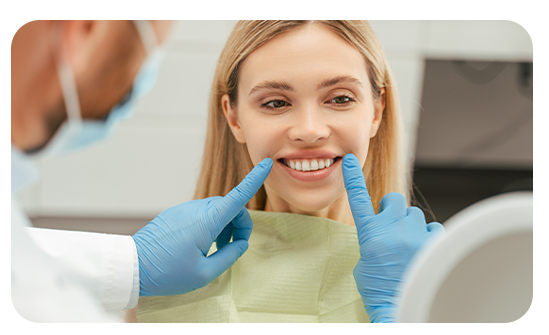

Dental implants are one of the most advanced restorative procedures available. They replace missing teeth by placing a titanium post into the jawbone, which integrates with the bone over time (osseointegration).
A crown is then placed on top of the implant, creating a functional and natural-looking tooth. 🪄
🛠️ Implants are durable, long-lasting, and help prevent bone loss, making them an excellent solution for patients with missing teeth.
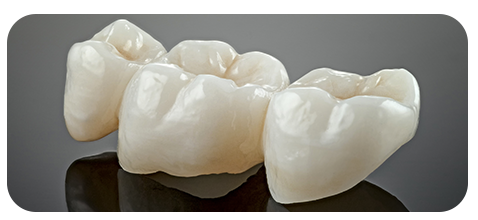
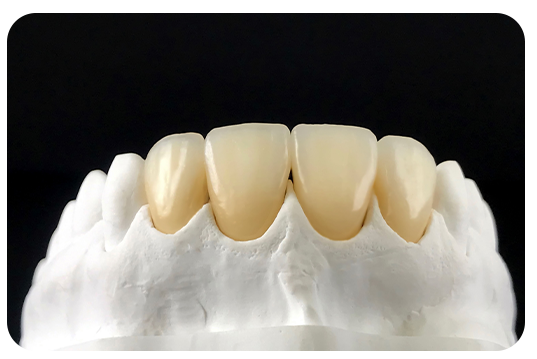
Dentures are removable prosthetic devices that replace missing teeth. There are two types:
Root canal therapy is a restorative treatment used to save teeth that have become infected or severely decayed. 🦠
The procedure involves removing the infected pulp from the tooth’s interior and sealing it to prevent further infection.
🛡️ After a root canal, the tooth is typically restored with a crown for added protection and strength.
✅ This treatment allows you to keep your natural tooth rather than opting for extraction.
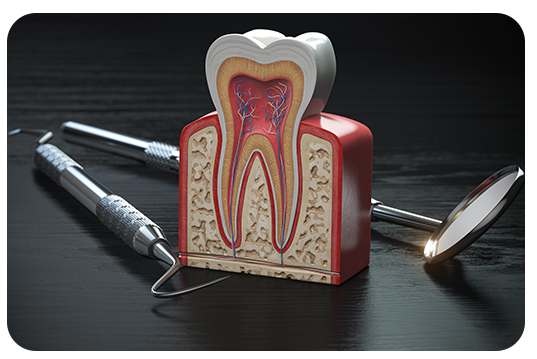
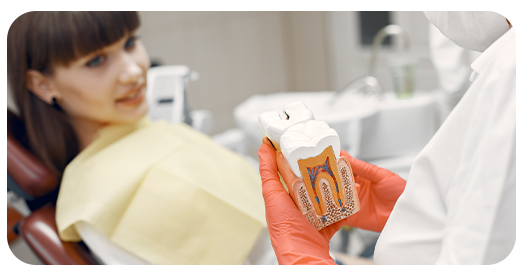
Restorative dentistry not only helps replace lost teeth but also prevents future tooth loss by addressing dental problems early. ⏳
Treatments such as dental implants and crowns prevent further damage by preserving the surrounding teeth and jawbone. 🦷🛡️
🧼 Maintaining good oral hygiene and seeking timely restorative treatment can help keep your smile healthy for many years. 😁
Choosing the right restorative treatment depends on the specific dental issue you’re facing, as well as your personal preferences and oral health goals. A thorough examination and consultation with a skilled dentist is essential to determine the most suitable treatment plan tailored to your needs. Depending on the condition of your teeth and gums, your dentist may recommend one or more of the following: With the right approach, restorative dentistry can significantly improve both the function and aesthetics of your smile — giving you comfort, confidence, and long-term oral health.🔍 Comprehensive Consultation
🛠️ Treatment Options
😊 Benefits of the Right Choice
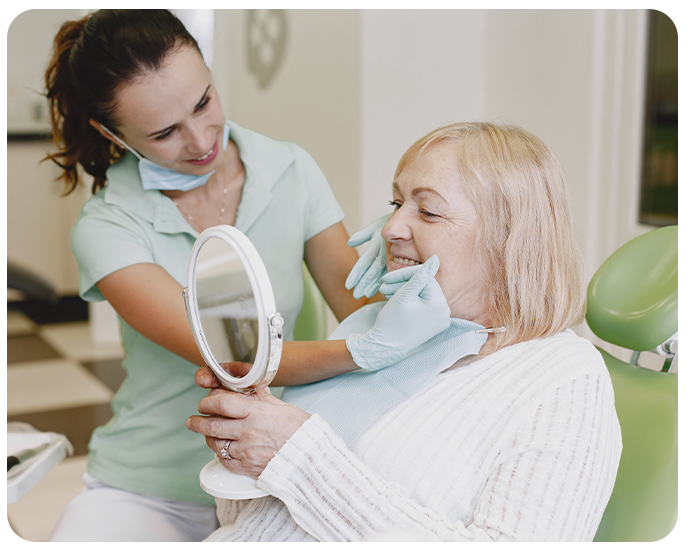
Sedation dentistry helps patients relax during treatments, especially those with dental
anxiety or undergoing long procedures.
Common methods include:
• Nitrous oxide (laughing gas)
• Intravenous (IV) sedation
Sedation levels can range from mild relaxation to deeper sleep-like states, depending on
the method used.
Laminate veneers may not be suitable for individuals with: • Severe tooth misalignment or bite issues • Insufficient enamel • Habitual teeth grinding (unless managed with a night guard) • Active gum disease A thorough dental examination is necessary to determine veneer suitability.
Pregnancy can affect oral health due to hormonal changes, increasing the risk of: • Gum inflammation (pregnancy gingivitis) • Pregnancy tumors (harmless overgrowths on gums) • Enamel erosion from morning sickness Maintaining regular brushing, flossing, and safe dental check-ups during pregnancy is crucial for both mother and baby’s health.
A healthy smile starts with a disciplined oral care routine. This routine should include:
• Brushing twice daily with a soft-bristled toothbrush and fluoride toothpaste
• Flossing once a day to remove plaque and food debris between teeth• Rinsing with an antibacterial mouthwash for added freshness and protection against
plaque
• Replacing your toothbrush every 3 months or sooner if the bristles are worn
Additionally, limiting sugary snacks and acidic drinks, staying hydrated, and attending
regular dental check-ups contribute to long-term oral health.
Dental floss is essential for oral health because it cleans areas where your toothbrush
cannot reach—specifically between teeth and under the gumline. Without flossing, plaque
buildup can cause gum disease, cavities, and bad breath.
Tip:
Make flossing a daily habit, especially before bedtime, to remove the day's accumulated
debris and bacteria.