
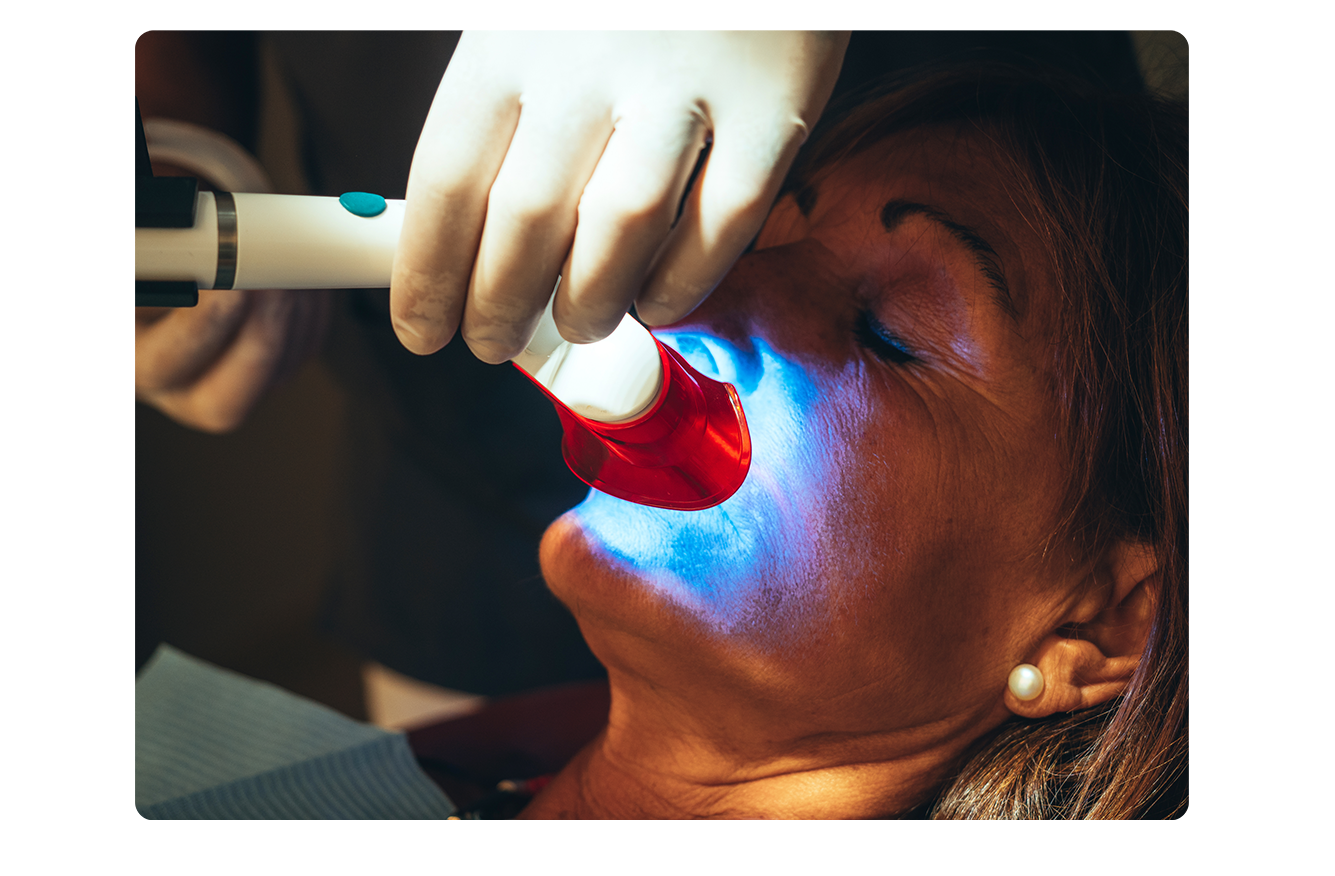
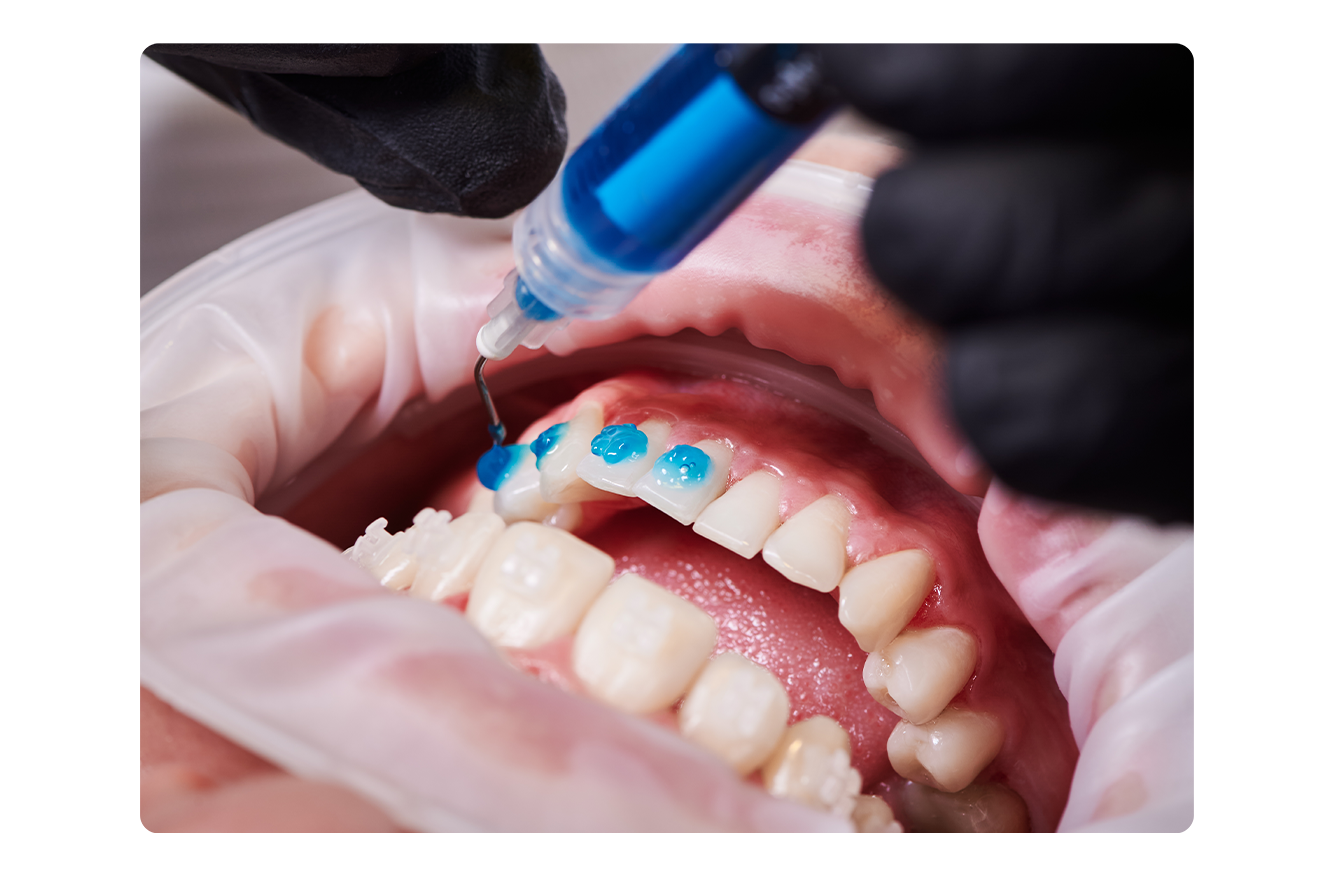
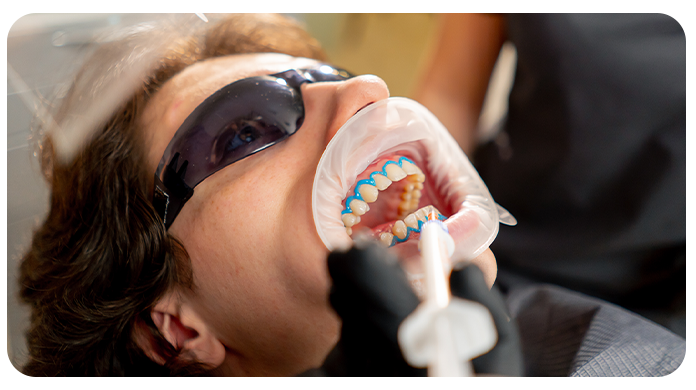
Teeth whitening is a commonly preferred treatment in aesthetic dentistry. This procedure, designed to lighten the color of your teeth, remove stains, and achieve a brighter smile, provides safe and effective results when done with the right techniques. Here is detailed information about teeth whitening methods, their effects, and important considerations.
2. Effects of Teeth Whitening
3. Maintaining Your Whitened Smile
4. Maintaining Your Whitened Smile
At LHC Clinic, we provide professional teeth whitening services to help you achieve a healthy and aesthetic smile. Our expert dentists and advanced technology ensure safe and effective whitening treatments. Choose LHC Clinic for a brighter smile!
Remember, healthy and white teeth are the key to a beautiful smile! ✨

Bruxism involves involuntary grinding or clenching of teeth, often during sleep. Possible causes: • Stress and anxiety • Misaligned teeth • Sleep disorders Treatment: • Night guards to protect teeth • Stress management strategies • Orthodontic treatments if misalignment is a factor
Bone grafting restores bone in areas where it's lost due to tooth extraction, gum disease, or
trauma.Types of bone grafts include:
• Synthetic materials
• Donor or patient’s own bone (autograft)
Bone grafting supports future dental implant placement or maintains facial structure.
Porcelain Laminates:
• Long-lasting and stain-resistant
• High aesthetic value with natural translucency
• Require more tooth preparation
Composite Laminates:
• Applied directly in the dental chair
• More budget-friendly
• Easier to repair but less durable and more prone to discoloration
Which to Choose?
Porcelain laminates are preferred for long-term, high-aesthetic cases, while composite
laminates are a good option for quicker, more affordable smile improvements.
Zirconium crowns are durable, metal-free dental restorations made from zirconia, known
for:
• Exceptional strength and resistance to fractures
• Biocompatibility, reducing the risk of allergic reactions
• Natural-looking aesthetics due to their tooth-like translucency
• Longevity with proper oral care
These crowns are widely used for both front and back teeth, offering a combination of
aesthetics and durability.
Numbness from local anesthesia typically fades within 2 to 4 hours after the procedure.
Factors affecting this include:
• The type of anesthetic used• The area treated
• Individual body response
Tip:
Avoid chewing or drinking hot liquids until sensation fully returns to prevent accidental
injury.