
Oral and Maxillofacial Surgery
Tooth extraction is a common dental procedure performed when a tooth is beyond repair or poses a risk to the health of surrounding teeth. Extractions may be necessary due to advanced decay, infection, impacted teeth, or orthodontic treatment requirements. This procedure can be categorized into simple and surgical extractions. At LHC Clinic, we provide comprehensive information on the reasons for tooth extraction, the process, and the essential aftercare needed for optimal healing.
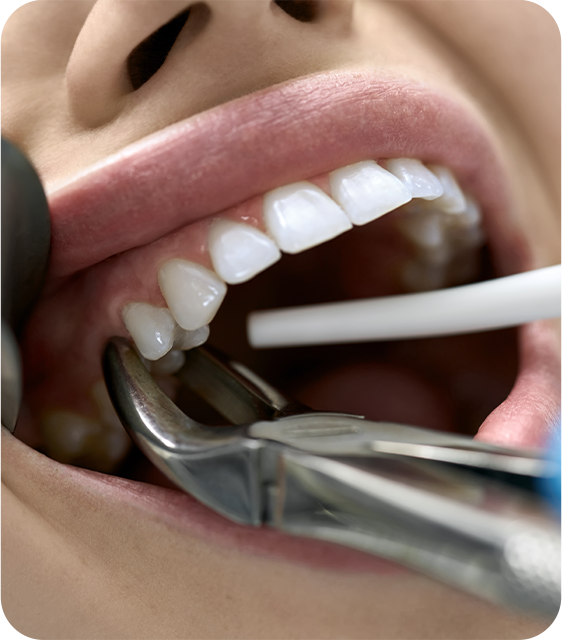
🦷 What is Tooth Extraction?
Tooth extraction involves the removal of a tooth from its socket in the jawbone by a dentist or oral surgeon. Reasons for tooth extraction include:
Extraction is typically a last resort, and preserving the tooth through treatment is always the preferred option when possible.
🦷 Tooth Extraction Methods and Simple Extraction Stages
Tooth extractions can be performed using two primary methods: simple extraction and surgical extraction, depending on the condition of the tooth and its position.
Simple Tooth Extraction Stages
A simple extraction is typically performed on teeth that are fully visible in the mouth. The stages are as follows:
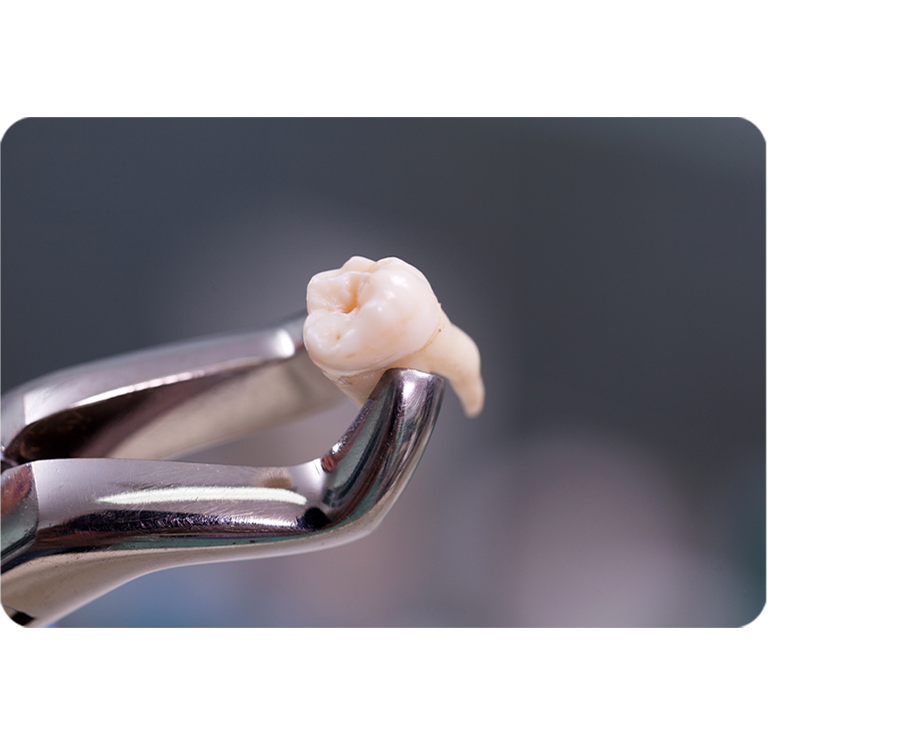
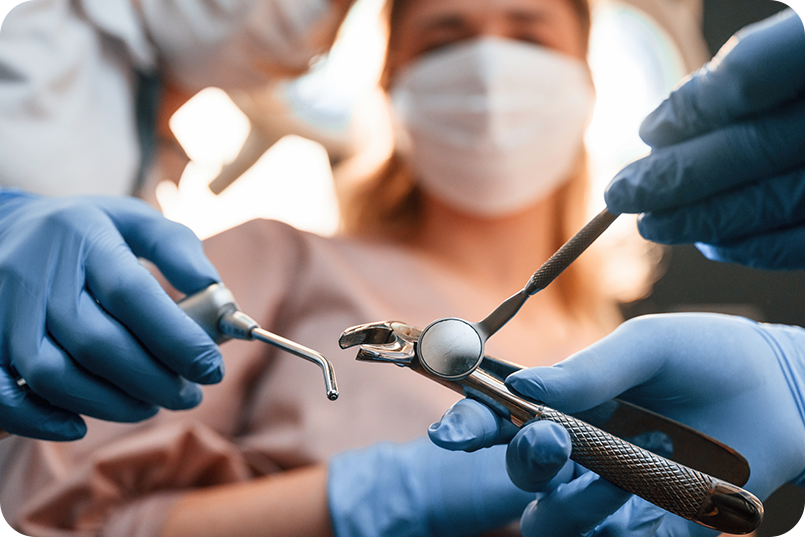
🦷 Surgical Tooth Extraction Stages
For teeth that are impacted or broken, surgical extraction may be required. The steps are:
Surgical extraction generally involves a longer recovery period compared to simple extractions.
🦷 Aftercare Following Tooth Extraction
Proper aftercare is crucial to ensure a smooth and speedy recovery following a tooth extraction.
What to Do After Tooth Extraction:


🦷 Healing Process After Tooth Extraction
The healing process varies for each individual, but generally follows these stages:
If you experience severe pain, excessive bleeding, or signs of infection, contact your dentist immediately.
🦷 Frequently Asked Questions About Tooth Extraction
🦷 Trust LHC Clinic for Safe and Effective Tooth Extractions
At LHC Clinic, we are committed to ensuring your dental health with the safest and most effective tooth extraction techniques. Our experienced dentists use the latest methods to provide you with a comfortable, pain-free experience. For reliable care and professional guidance, trust LHC Clinic to handle your dental needs.
Regular dental check-ups are key to maintaining a healthy smile—visit LHC Clinic for your next appointment!

Diastema is the space between two teeth, commonly affecting the upper front teeth.
Treatment options include:
• Composite bonding for quick aesthetic correction
• Porcelain laminates for larger gaps
The best approach depends on the size of the gap, aesthetic goals, and oral health status.
Numbness from local anesthesia typically fades within 2 to 4 hours after the procedure.
Factors affecting this include:
• The type of anesthetic used• The area treated
• Individual body response
Tip:
Avoid chewing or drinking hot liquids until sensation fully returns to prevent accidental
injury.
Proper care after extraction helps prevent complications:
• Keep the gauze pad in place and bite down gently to stop bleeding
• Avoid spitting, rinsing forcefully, or using straws for the first 24 hours• Refrain from smoking as it hinders healing
• Eat soft, cool foods and avoid the extraction site while brushing
Sticking to these precautions promotes healing and prevents conditions like dry socket.
After a root canal treatment:
• Expect mild tenderness, which usually subsides in a few days
• Avoid hard or chewy foods until the tooth is fully restored with a filling or crown
• Maintain oral hygiene, being gentle around the treated tooth
Regular dental follow-ups ensure the long-term success of the treatment.
Missing teeth can lead to:
• Shifting of adjacent teeth, causing bite problems
• Bone loss in the jaw over time
• Speech difficulties and chewing inefficiency
• Psychological effects, such as lowered self-esteem
Timely replacement with suitable dental prostheses can prevent these complications.